
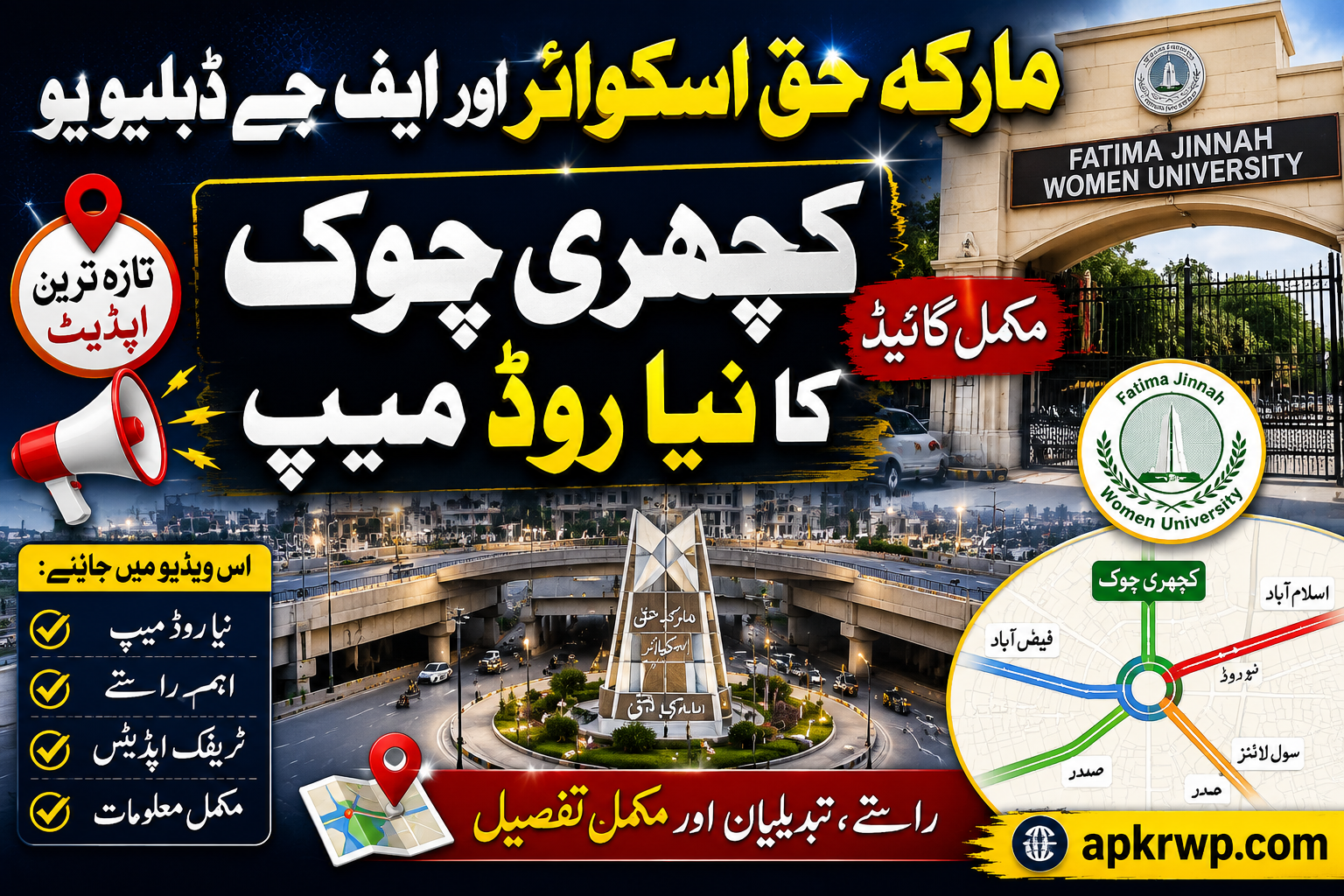
The dynamic urban landscape of Rawalpindi has experienced a monumental shift with the introduction of the modern Marka-e-Haq Square infrastructure project. Situated directly adjacent to this newly re-engineered transit node lies Fatima Jinnah Women University (FJWU), one of the region’s premier higher education institutions located on The Mall. For thousands of female students, faculty members, and daily commuters, the synergy between this mega transport development and the university campus has completely revolutionized daily travel, campus accessibility, and the overall student experience.
Bridging Modern Infrastructure with Academic Excellence
The historic transformation of the Kutchery Chowk bottleneck into Marka-e-Haq Square was designed to tackle chronic urban congestion. Featuring a multi-tiered structural network comprising modern underpasses and flyovers, the project eliminates hours of gridlock that historically plagued commuters moving between Saddar, Murree Road, and Islamabad. For students traveling to FJWU, this engineering feat translates to reliable, stress-free morning commutes. No longer do young scholars have to leave hours in advance to account for unpredictable traffic delays near the district courts and commercial hubs.
Furthermore, the integration of smart urban planning around the square ensures that pedestrian safety is heavily prioritized. State-of-the-art steel pedestrian bridges and clearly marked pathways allow students arriving via neighboring roads to bypass heavy vehicle streams safely. The campus itself sits right across from the historic Baggi Park area, which now features the prominent Marka-e-Haq Monument, turning a chaotic transit bottleneck into a clean, aesthetically pleasing civic zone.
Seamless Public Transit and Clean-Energy Mobility Solutions
Reaching the FJWU gates has become exceptionally convenient due to the expansion of public transportation networks aligned with the new square. The upgraded Green Bus Service operates along this corridor, connecting passengers directly from major interchange points like Fawara Chowk and Mareer Chowk straight to the university vicinity.
In addition to traditional bus routes, specialized electric bus bays have been constructed directly in front of the FJWU main gates. These modern loading zones serve the city’s expanding clean-energy e-bus network, offering a fast, eco-friendly, and direct link for commuters coming from Saddar, Rawat, and the Rawalpindi Railway Station. These shelters are specifically designed with security, comfort, and accessibility in mind, providing safe waiting areas tailored for female students and staff.
Inside FJWU: Campus Facilities and Student Life
Beyond the perimeter walls and the convenience of the surrounding signal-energy corridors, Fatima Jinnah Women University offers a vibrant ecosystem designed to foster academic and personal growth. Life on campus extends far beyond lecture halls, anchored by essential facilities that support thousands of enrolled women.
- The Campus Cafeteria: Serving as the social heartbeat of the university, the central cafeteria provides a welcoming space for students to gather between classes, collaborate on group projects, and enjoy wholesome meals in a secure environment.
- On-Campus Girls Hostels: For students hailing from outside Rawalpindi and Islamabad, the university residential blocks offer a home away from home. However, securing a hostel seat requires navigating a competitive administrative procedure.
Navigating the FJWU Hostel Accommodation Process
Securing a room in the university residential facilities can sometimes be a competitive hurdle, particularly for students transitioning past their first year. For instance, undergraduate students entering their third semester frequently encounter housing allocation queries.
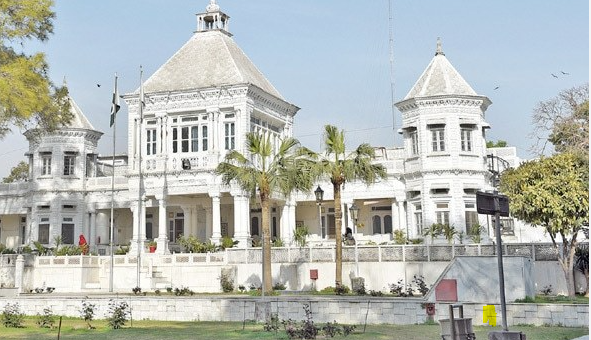
The standard protocol for students seeking hostel admission involves a direct, step-by-step administrative approach:
- Inquiry and Vacancy Check: Students must visit the dedicated hostel administration office directly to inquire about vacant or newly opened seats.
- Geographical Allocation Policy: Priority is explicitly given to outstation students. Individuals whose families reside locally within Rawalpindi or Islamabad are typically not accommodated, allowing students from remote districts across Pakistan to secure safe housing.
- Application Formalities: Eligible applicants must obtain the official hostel admission form from the office, complete it with verified credentials, and submit it within the designated university deadlines.
- Fee Challan Management: Once a student’s name appears on the official hostel allocation merit list, timely fee deposition is critical. If a student misses physical receipt of the printed fee challan, visiting the university finance or hostel administration office immediately allows them to request a duplicate challan and secure their payment path before seat cancellation occurs.
High-Profile Delegations and Institutional Prestige
The prestigious status of Fatima Jinnah Women University often places it at the center of regional and national attention. Because of its academic excellence and prominence as a leading women’s institution, high-profile dignitaries frequently visit the campus. It is common for top-tier government officials, including the Governor of Punjab, the Chief Minister of Punjab, and even the Prime Minister of Pakistan, to grace university events, seminars, and convocations as chief guests. These high-security visits are managed seamlessly, benefiting greatly from the proximity of Marka-e-Haq Square’s secure, signal-free VIP transit pathways.
Environmental Resilience and All-Weather Commuting
A major historical challenge for commuters utilizing the older Kutchery corridor was severe urban flooding during heavy monsoon downpours. The low-lying areas frequently paralyzed traffic and trapped students. The redesign under the Marka-e-Haq project incorporated advanced stormwater management systems. Comprehensive wet wells and high-capacity automated pumping infrastructure now ensure that the underpasses remain clear and dry, completely mitigating seasonal transit disruptions and ensuring uninterrupted access to the campus year-round.
Connecting Key Landmarks and Regional Hubs
The redesign of this central junction does more than just clear traffic; it links critical educational, medical, and judicial nodes across Rawalpindi Cantonment.
- Judicial and Administrative Proximity: The campus and square sit within close reach of the Lahore High Court Rawalpindi Bench and the District Courts, providing law and public administration students with immediate access to practical legal institutions.
- Medical Infrastructure: Emergency transit routes connecting to the Combined Military Hospital (CMH), Military Hospital (MH), and Cantonment General Hospital run smoothly through the upgraded square, guaranteeing rapid medical response capabilities across the zone.
- Wider Transit Networks: By seamlessly stitching together The Mall, Rashid Minhas Road, Old Airport Road, and Adiala Road, the square integrates central Rawalpindis educational network into a massive 25-kilometer signal-free corridor stretching from Rawat toward the Motorway.
Campus Location and Security Dynamics: Integrating FJWU into the Heart of Rawalpindi
Situated precisely opposite the FBR Tax House in Rawalpindi, Fatima Jinnah Women University (FJWU) occupies a strategic location in the garrison city. The immediate geography surrounding the university campus is characterized by high-profile administrative landmarks; positioned directly to its left is the Deputy Commissioner (DC) House. This close proximity to key government and administrative hubs ensures a highly secure and regulated environment for the academic institution.
To maintain robust safety standards across the campus perimeter, Brother Company security guards are deployed on regular duty, managing access points and ensuring a protected environment for the academic community. This professional security presence works in tandem with the surrounding administrative zones, providing peace of mind to incoming scholars and faculty members alike.
Daily Commuter Dynamics and Student Traffic
The campus experiences a vibrant influx of daily academic movement, welcoming approximately 400 to 500 female students who arrive on campus every day for their studies. Reflecting modern trends in urban mobility and the convenience afforded by the newly upgraded local road infrastructure—including the nearby Marka-e-Haq Square (Kutchery Chowk) corridor—a notable portion of these young scholars commute independently. Mostly girls arrive on electric bikes, leveraging clean-energy, two-wheeled transit to navigate from surrounding residential neighborhoods directly to the university gates. This growing preference for electric bikes aligns seamlessly with the modern e-bus bays and eco-friendly transit networks established along The Mall and the adjacent signal-free transit routes.
Conclusion
The intersection of modern civil engineering at Marka-e-Haq Square and the academic environment at Fatima Jinnah Women University represents a major leap forward for urban mobility and educational accessibility in Rawalpindi. From swift e-bus commutes and all-weather drainage systems to bustling campus cafeterias and structured residential procedures, students navigating this vibrant zone enjoy a streamlined, modern university experience. Whether dealing with daily travel routines or administrative housing applications, understanding these integrated systems empowers students to maximize their academic journey in the heart of the garrison city.